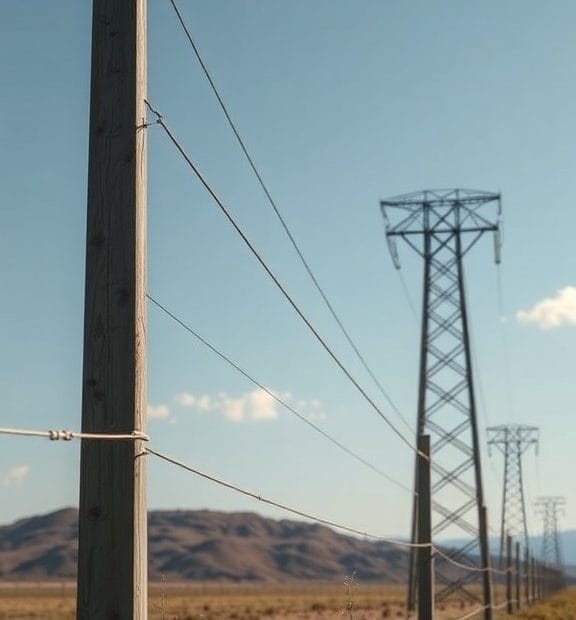
Exploring Electric Fence Backup Power Solutions for Remote Areas: Options and Benefits
Living in remote areas can be both beautiful and challenging. One of the core issues residents face is ensuring security for their property. Electric fences serve as effective deterrents against intruders and wild animals. However, in locations without consistent access to electricity, powering these electric fences can be tricky. This brings us to the various electric fence backup power solutions designed for remote areas.
When selecting a power solution for your electric fence, you have several options at your disposal. Understanding these options will help you make the best choice for your needs while ensuring that your property remains secure.
Solar-Powered Systems
Solar power is one of the most popular backup solutions for electric fences in remote areas. It utilizes solar panels to harness sunlight and convert it into electricity. Here are some benefits of solar-powered systems:
- Reliability: Solar panels work well in various weather conditions, as they gather sunlight even on cloudy days.
- Cost-effective: Once installed, the energy costs are negligible compared to traditional electricity sources.
- Environmentally friendly: Solar energy reduces carbon footprints and is a sustainable option.
- Low Maintenance: Modern solar panels require minimal upkeep, making them an ideal choice for those in remote areas.
Batteries for Backup Power
Batteries can also serve as a dependable backup power source for electric fences. By storing energy, they can maintain the electric fence’s functionality during power outages or when solar energy is insufficient. Consider these factors when using batteries:
- Type of Batteries: Lead-acid and lithium-ion batteries are the most common options. Lithium-ion batteries tend to last longer and offer more power.
- Charge Cycle: It’s essential to ensure that the chosen battery can be recharged reliably, particularly in a remote setting.
- Size and Capacity: Select a battery size that can provide enough power for your needs while also fitting your space limitations.
Wind Power Solutions
Wind turbines represent another innovative solution for providing power to electric fences. This option is especially advantageous in areas with consistent wind. Consider these features of wind power:
- Complementary Source: Wind turbines can work alongside solar panels, creating a hybrid power system that ensures reliability.
- Durability: Modern turbines are designed to endure harsh weather conditions, making them suitable for rugged terrains.
- Long-Term Investment: Although initial installation costs can be high, wind energy leads to significant savings in the long run.
Generator Power
For those who may need more consistent power supplies, generators are an option. They can seamlessly supply power when solar or wind sources are not available. Key points include:
- Fuel Type: Generators can run on gasoline, propane, or diesel. Consider your fuel accessibility when choosing.
- Noise Levels: Be mindful that generators can be noisy, which may not be desirable if you are trying to maintain peace in a remote environment.
- Portability: Depending on your needs, opt for a portable generator that can be easily moved around.
Choosing the Right Backup Power Solution
Choosing an electric fence backup power solution for remote areas greatly depends on your specific circumstances. Whether you decide on a solar-powered system, batteries, wind power, or generators, each option has its advantages. Analyze your location, resource availability, and personal preferences to ensure you select the right system. Doing so will provide peace of mind, knowing that your electric fence will remain functional, protecting your property from potential threats.
Key Considerations for Choosing the Right Power Source for Electric Fences in Isolated Locations
Choosing the right power source for electric fences in isolated locations can be a challenging task. Whether you’re protecting livestock or securing property, understanding your options is crucial. Many factors come into play when selecting the power solution that best suits your needs. Here are some key considerations to help you make an informed decision.
1. Type of Electric Fence System
Before choosing a power source, consider the type of electric fence system you plan to install. The common types include:
- Permanent Fences: Typically requires a more robust power source, often wired to a transformer.
- Temporary Fences: More adaptable and often powered by portable battery systems or solar panels.
2. Availability of Power Sources
Evaluate the available power sources in your remote area. Here are some options:
- AC Power: If within reach of the electric grid, AC power can deliver consistent energy for larger installations.
- DC Battery Power: Batteries provide flexibility and can be employed in places where AC power isn’t an option.
- Solar Power: This eco-friendly option is perfect for truly remote areas. Consider battery storage to ensure you have energy at all times.
3. Energy Requirements
Determine how much energy your electric fence system needs. Higher energy requirements are often found in systems meant for larger fields or more robust animals. To get a clear idea:
- Check the wattage required by the energizer.
- Assess the length of the fence line.
- Factor in the type of animals being contained; larger animals may need stronger currents.
4. Maintenance Considerations
Maintenance is a crucial aspect when choosing a power source. Evaluate how much effort you’re willing to invest:
- Batteries: Require regular checks and replacements, which could increase your workload.
- Solar Panels: Generally need low maintenance, but their efficiency can be affected by debris or shady conditions.
- AC Systems: These usually necessitate less frequent maintenance, provided the connection to the grid remains stable.
5. Duration and Reliability
How long do you need the electric fence to remain powered? If you’re in a location where power outages are frequent, the reliability of your chosen power source is crucial. For optimal reliability, consider these factors:
- For longer-term setups, a combination of solar and battery backup can ensure power is always available, even during cloudy days or during the night.
- If relying on batteries or solar, pick high-quality units that are known for longevity and resilience in tough conditions.
6. Local Regulations
Don’t forget about local regulations regarding electric fences. Some areas have strict guidelines regarding the type and amount of power that can be used. Before installing your system, check:
- Required voltage limits.
- Safety requirements to protect wildlife and ensure human safety.
- Permits or permissions related to the use of electric fencing in your area.
7. Budgeting
Consider your budget. While solar panels and batteries require a higher upfront investment, they may save you money in the long run through lower energy costs and reduced maintenance needs. Factor in:
- The initial cost of energizers, panels, and batteries.
- Potential installation costs, especially for more complex AC systems.
- Long-term savings through reduced ongoing operating costs.
Assessing your specific needs and weighing all of these considerations can lead you to the best power source for your electric fence in isolated locations. By understanding your options and planning accordingly, you can secure your property efficiently and effectively.
Conclusion
Finding the right electric fence backup power solution for remote areas is vital for maintaining security and safety, especially where access to traditional power sources is limited. You can choose from several options, including solar energy, battery systems, and wind power, each with unique benefits. For instance, solar-powered systems are eco-friendly and require minimal maintenance, making them a great choice for those wanting a sustainable option. Battery systems, on the other hand, offer reliability and can be paired with solar panels to ensure continuous operation.
When selecting the best power source for your electric fence, consider key factors such as local climate, available sunlight, and the specific power needs of your fence system. You’ll also want to evaluate the ease of installation and the long-term costs associated with each power solution. Assess your environment and the challenges it poses; this can greatly influence your decision-making process.
Remember, the goal is not just to find a power source but to ensure your electric fence functions efficiently and reliably, regardless of your location. By making informed choices, you can protect your property effectively, knowing that your fence will remain operational even in the event of power disruptions. Engaging with professionals can also provide valuable insights, helping you navigate through the complexities of electric fence systems in remote settings. Ultimately, investing time in the right backup power solution will secure not only your perimeter but also your peace of mind.