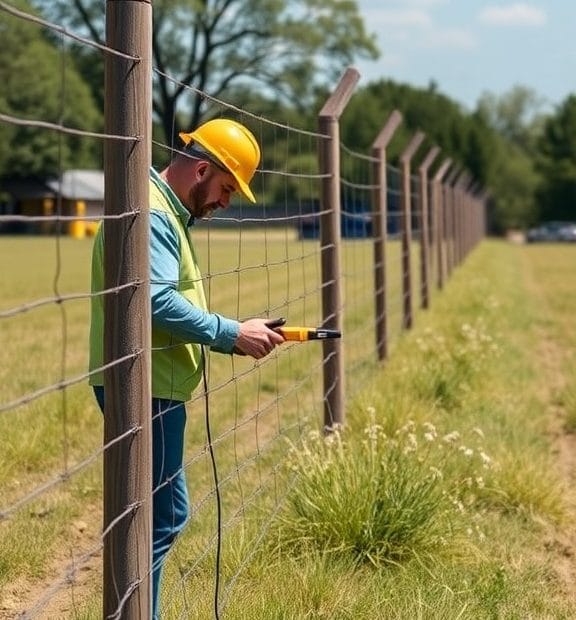
Effective Methods for Measuring Electric Fence Performance: Testing and Monitoring Techniques
Measuring the effectiveness of your electric fence is crucial for ensuring its performance and overall security. Regular testing and monitoring help you maintain the barrier’s reliability, allowing you to protect your property, livestock, or gardens effectively. Here are some effective methods for assessing the performance of your electric fence.
Visual Inspection
The first step in evaluating your electric fence is to conduct a visual inspection. Walk the length of the fence and look for any obvious problems. Check for broken wires, damaged insulators, and vegetation overgrowth that may cause the fence to short out. Regular inspections can help you spot issues before they become major problems.
Checklist for Visual Inspection:
- Check for sagging or loose wires.
- Inspect insulators for cracks and wear.
- Look for vegetation that comes into contact with the fence.
- Ensure that grounding connections are secure and corrosion-free.
Voltage Testing
Testing the voltage of your electric fence is essential to determine if it’s operating correctly. Use a voltmeter designed for electric fences to measure the voltage at various points along the fence. Make sure to test the voltage both at the energizer and at the farthest points of the fence to see if there’s a significant drop, which could indicate a problem.
Steps for Voltage Testing:
- Turn off any chargers connected to the fence before testing.
- Use a voltmeter to measure at the energizer.
- Check voltages at multiple locations along the fence.
- Compare results to the manufacturer’s recommendations for your specific fence type.
Continuity Testing
Continuity testing is another important technique for ensuring your electric fence is functioning correctly. This involves checking if the current flows correctly through the fence. An open circuit can lead to ineffective deterrents against animals or intruders. You can use a continuity tester or your voltmeter to check for circuit integrity.
Procedure for Continuity Testing:
- Disconnect the electric fence from the energizer.
- Connect a continuity tester between two ends of the wire.
- Look for a positive reading to confirm continuity.
- If there’s no reading, inspect the wire for breaks or disconnections.
Animal Behavior Monitoring
Observing how animals react to your electric fence can provide valuable insights into its effectiveness. If animals are frequently trying to breach the barrier or showing signs of anxiety when near it, this might indicate that the electric fence is not delivering a strong enough shock. Keep a journal or take photos to document any behavioral changes over time.
What to Watch For:
- Animals approaching closely but retreating suddenly.
- Signs of agitation or fear in livestock.
- Repeated attempts to escape or cross the fence line.
Weather Impact Assessment
You should consider how weather conditions affect your electric fence’s performance. Rain, snow, and humidity can influence the fence’s effectiveness. Regularly check the fence after extreme weather conditions to identify any new issues that may arise from environmental changes.
Weather-Related Factors to Monitor:
- Check for waterlogged areas that might affect grounding.
- Look for snow or ice accumulation that could touch wire.
- Evaluate the impact of high winds on fence integrity.
By implementing these testing and monitoring techniques, you can ensure your electric fence remains a reliable barrier. Regular assessments not only enhance safety but also help in optimizing your fence’s performance, protecting your property, and providing peace of mind.
Common Issues Affecting Electric Fence Efficiency and How to Address Them
Electric fencing is a powerful tool for keeping livestock safe and securing perimeters. However, various factors can diminish its effectiveness. Understanding these common issues and knowing how to address them is crucial for maintaining a reliable fence. Below are some common problems that can affect your electric fence’s efficiency and tips for resolving them.
Improper Installation
One of the primary issues affecting electric fence efficiency is improper installation. If the posts are too far apart or not adequately grounded, the electric flow will weaken. Here’s how to ensure proper installation:
- Space posts according to manufacturer guidelines, typically between 10 to 20 feet apart.
- Ensure that grounding rods are driven deep enough into the soil. Three to five rods, spaced at least 10 feet apart, are often recommended.
- Make use of insulators that fit perfectly on the posts to prevent current loss.
Faulty Equipment
Electric fence systems can fail due to faulty equipment such as chargers or wires. Checking the components regularly is vital:
- Inspect the charger. Ensure it’s working correctly and providing a sufficient voltage. A good charger should deliver at least 5,000 volts.
- Check the wires and insulators for any wear and tear. Frayed wires or damaged insulators can cause significant loss in voltage.
- Look for broken fences or fallen trees or shrubs that may touch the wires. These can create shorts and reduce efficacy.
Environmental Factors
Environmental conditions can greatly impact electric fence performance. Weather elements like rain, snow, and even heavy vegetation can create problems:
- Wet ground can conduct electricity away, so make sure your grounding system is effective.
- Trim back any vegetation that comes close to the fence. Plants can act as a conductor and drain power from the system.
- In cold conditions, check for ice buildup that could short-circuit the fence.
Animal Interaction
Another factor to consider is the interaction of animals with the electric fence:
- Some larger or more determined animals can push against the fence, compromising its integrity. Reinforcing your fence line may help.
- Educate animals about the electric fence. Sometimes, a temporary shock can deter them from pushing against it again.
- Use a multi-strand fence design, which can be more effective in keeping animals away from the line.
Voltage Issues
Maintaining an adequate voltage level is critical for electric fence effectiveness. Voltage drops can occur for several reasons:
- Measure the voltage regularly using a voltmeter, especially during harsh weather conditions. Maintain around 5,000 volts for safety and effectiveness.
- Inspect for any breaks or gaps in the fence line that may cause voltage loss. Tighten connections where necessary.
- Consider upgrading to a more powerful energizer if you regularly struggle to maintain voltage.
Regular Maintenance
Regular maintenance is essential for the longevity and efficiency of your electric fence:
- Create a routine inspection schedule. Check for loose wires, broken insulators, and signs of wear.
- Test the voltage regularly. Keeping an eye on voltage levels can help you address issues before they become severe.
- Clear the area around the fence of debris and overgrowth to prevent drainage of electricity.
Understanding the common issues that may affect your electric fence allows you to take proactive steps to ensure its effectiveness. By addressing installation problems, faulty equipment, environmental factors, animal interactions, voltage issues, and committing to regular maintenance, you can keep your electric fence operating efficiently. Keeping a diligent hand on these aspects will help you enjoy the peace of mind that comes with a well-functioning electric fence system.
Conclusion
Ensuring the effectiveness of your electric fence is crucial for keeping your property secure and your livestock safe. By employing reliable testing and monitoring techniques, such as regular voltage checks and continuity tests, you can accurately assess the performance of your fence. Following these methods helps you identify potential weaknesses before they escalate into significant issues.
Common problems affecting electric fence efficiency can range from vegetation interference to faulty energizers. Understanding these challenges equips you with the knowledge to quickly address them. For instance, trimming back overgrown vegetation around the fence line ensures the electric current flows unobstructed. Additionally, routinely testing the energizer with a multimeter can help you confirm it’s working correctly, allowing for prompt repairs when needed.
Ultimately, a proactive approach to measuring electric fence effectiveness not only enhances security but also reinforces the longevity of your system. Consistent monitoring and timely troubleshooting can create a reliable barrier that protects your property. By staying vigilant and adjusting your maintenance practices according to the observed performance, you can achieve a robust electric fencing system that serves you well across all seasons. Investing time in these practices can lead to peace of mind, knowing that your electric fence is operating at its best. So, take charge of your fence maintenance—it’s an essential step to ensure safety and security on your land.