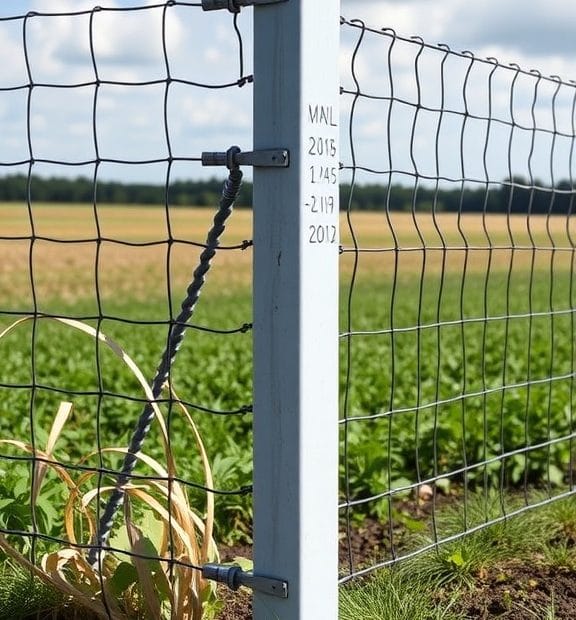
Essential Steps for Electric Fence Corner Post Installation
Installing an electric fence corner post properly is critical for ensuring the stability and effectiveness of your electric fencing system. Corner posts are pivotal as they bear the tension and direction change of the fence line. By following these essential steps, you can ensure that your corner posts are installed correctly and are capable of handling the demands of an electric fence.
Choosing the Right Corner Post
The first step in the installation process is selecting the appropriate corner post. When choosing a corner post for your electric fence, keep the following factors in mind:
- Material: Wooden, metal, or composite materials can be used, but each has its advantages and disadvantages. Wooden posts are more affordable, while metal posts offer superior strength.
- Height: Ensure the post height is sufficient to support the electric wire without sagging. A height of 6 to 8 feet is usually recommended.
- Thickness: Thicker posts can handle more tension. Opt for at least a 4-inch diameter for wooden posts or a suitable gauge for metal ones.
Preparing the Site for Installation
Before you begin the installation, prepare the site effectively. Here are tips that will help:
- Clear the Area: Remove any vegetation, rocks, or debris where you plan to install the post. A clean area allows for better digging and post placement.
- Mark the Location: Use stakes or spray paint to mark where the corner posts will go. Ensuring accurate placement is essential to maintain the fence’s integrity.
Digging the Post Hole
Once the site is ready, it’s time to dig the post hole. Follow these steps for effective digging:
- Size and Depth: The post hole should be about 2 to 3 feet deep and three times the width of the post. This depth prevents tipping due to pulling tension.
- Use Proper Tools: A post hole digger or auger can make the job easier. Ensure you dig straight to keep the post vertical.
Installing the Corner Post
Now it’s time to install the corner post. Here’s how you can do it smoothly:
- Setting the Post: Place the corner post in the center of the hole while ensuring it’s upright and level. You may want to have someone help you hold it in place.
- Backfilling: Begin to backfill the hole with soil. As you do this, tamp it down to secure the post. Ensure there’s no loose soil around the post base.
- Concrete Option: For added stability, consider pouring quick-setting concrete around the post instead of soil. This is especially beneficial in areas with soft ground.
Attaching the Wire
Once the corner post is securely in place, you need to attach the electric fence wire:
- Choose the Right Insulators: Insulators will keep the electric wire from touching the metal post. Ensure they’re suitable for the type of corner post you’ve used.
- Position the Insulators: Install insulators so the wire runs straight and maintains proper tension. Space them evenly along the post.
- Attach the Wire: Thread the wire through the insulators, ensuring it is taut but not overly tight to prevent breakage or sagging.
Final Adjustments
After attaching the wire, check the entire setup:
- Inspect Alignment: Walk the fence line to ensure that everything is aligned properly. A well-aligned fence will function better.
- Test the Electric System: Before fully securing the installation, test the electric fence with a fence tester to ensure it works properly.
By following these essential steps for electric fence corner post installation, you set a solid foundation for your electric fencing system. Each step is crucial for maintaining the integrity and effectiveness of the fence, providing security and peace of mind for the area you wish to protect. Proper installation not only ensures safety but also enhances the life of your electric fence. Happy fencing!
Common Mistakes to Avoid When Installing Electric Fence Corner Posts
Installing electric fence corner posts can be a challenging task, but avoiding common pitfalls can enhance the durability and effectiveness of your fence. Let’s explore several mistakes that you should watch out for when setting up your electric fence corner posts.
Neglecting Proper Planning
Before you start digging holes for corner posts, take time to map out your fence line. Consider the layout, including corners, gates, and any obstacles that may interfere with installation. A well-thought-out plan prevents misalignment and additional work later on.
Skipping the Right Post Material
Choosing the wrong material for your corner posts can lead to premature failure. Electric fence corner posts should be strong and weather-resistant. Common materials include:
- Wood: Treated wood is durable and can withstand weather. However, it may require more maintenance over time.
- Metal: Metal posts are robust and long-lasting, making them a great choice for reliability.
- Fiberglass: While lightweight and non-corrosive, fiberglass can sometimes be more expensive.
Evaluate your environment to determine the most suitable material for your needs.
Not Considering Soil Conditions
The soil type in your area plays a crucial role in the stability of your corner posts. For instance, sandy or loose soils can lead to unstable posts. If you are working in such conditions, consider adding concrete to enhance stability. Testing the soil and adjusting your installation methods accordingly can save you from future repairs.
Improper Depth for Post Holes
Each corner post should be anchored deep enough into the ground to withstand pressure and tension from the attached wire. A common mistake is not digging the holes deep enough. A general guideline is to bury at least one-third of the post length underground. This ensures better stability, especially during high winds or storms.
Overlooking Level Alignment
Before setting your corner posts, ensure they are perfectly vertical and aligned with the rest of your fence line. Use a level to check the alignment, and make adjustments as necessary. Misalignment can cause issues with electric flow and the overall aesthetic of your fence.
Failing to Secure the Posts Properly
Once the corner posts are in the ground, securing them is vital. Many users skip this step or do it half-heartedly. Properly tamping the soil or using concrete is essential. If using concrete, ensure that it is poured around the post and allowed to cure for the recommended time before attaching fence wires.
Ignoring Maintenance Checks
Even after installation is complete, neglecting to perform regular maintenance can lead to issues down the line. Check the stability of the corner posts periodically, especially after severe weather. Ensure that the posts remain aligned and securely set in the ground.
Not Installing Corner Brace Supports
Failing to install brace supports at your corners can lead to sagging and twisting of the fence over time. Corner braces stabilize the corner posts and distribute the tension of the electric wire properly. For installation:
- Attach diagonal braces from the top of the corner post to the ground at a 45-degree angle.
- Ensure they are firmly anchored to the ground for maximum support.
Using Incorrect Wire Gauge
Choosing the wrong gauge wire for your electric fence can impact its effectiveness. Thicker wire is more durable and can handle higher tension, whereas thinner wire may break more easily under stress. Assess your fencing needs and pick the appropriate wire to avoid future issues.
Underestimating the Importance of Insulators
Insulators play a crucial role in ensuring that the electric current flows through the wire and not into the corner posts. Many users overlook this detail, leading to a poorly functioning fence. Ensure that you choose high-quality insulators suitable for the type of corner post you are using.
By avoiding these common mistakes during the installation of electric fence corner posts, you can create a reliable and efficient fence system. Each step plays a vital role in ensuring the durability and functionality of your electric fencing solution. Take your time, plan carefully, and enjoy the benefits of a well-installed electric fence.
Conclusion
Successfully installing electric fence corner posts requires attention to detail and a solid understanding of best practices. By following the essential steps outlined throughout this guide, you can ensure that your installation is sturdy, effective, and long-lasting. Each step, from selecting the right materials to securing the posts correctly, plays a critical role in the overall performance of your electric fence.
It’s equally important to remain aware of common mistakes that can undermine your efforts. Issues such as improper spacing, neglecting to account for environmental factors, or using inadequate materials can lead to problems that may compromise the effectiveness of your fence. By avoiding these pitfalls, you’ll enhance both the durability and functionality of your electric fence system.
Remember to plan carefully and be patient during the installation process. Taking the time to understand your landscape, checking local regulations, and ensuring every element is in its right place will pay off in the long run. Your efforts will not only keep livestock or property secure but can also save you future headaches and expenses related to repairs or replacements.
By combining essential steps with a keen awareness of potential missteps, you can build a reliable electric fence that meets your needs. Proper corner post installation sets the foundation for a well-functioning fence, ensuring safety and peace of mind for you and your property. With these best practices in mind, you are now equipped to tackle your electric fence project with confidence.