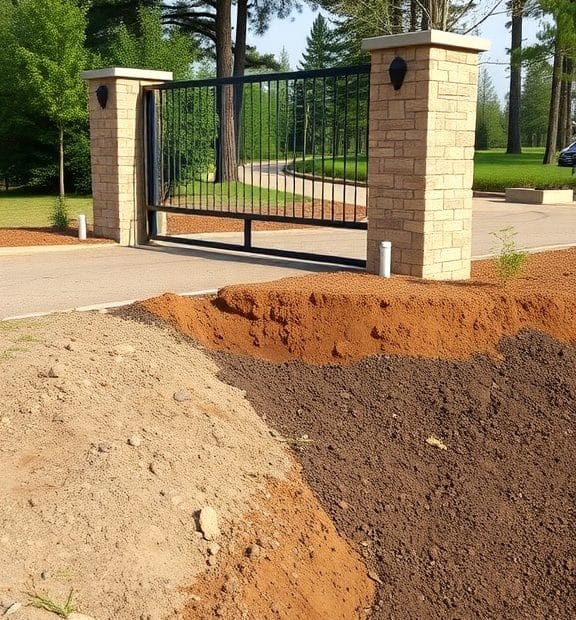
Automatic Gate Foundation Requirements for Different Soil Types
When installing an automatic gate, the foundation is crucial for ensuring stability and longevity. Different soil types can significantly impact the foundation requirements for your gate system. Understanding these requirements will help you select the right materials and strategies for building a solid base.
Firstly, let’s explore various soil types and their characteristics:
- Sandy Soil: This soil drains well but lacks compaction, which can lead to shifting and settling over time.
- Clay Soil: Clay typically expands and contracts with moisture changes, presenting challenges for a stable foundation.
- Loamy Soil: A mix of sand, silt, and clay, loamy soil is well-draining and easy to work with, making it ideal for most installations.
- Rocky Soil: This soil type can be difficult to excavate but provides excellent stability once properly managed.
Each of these soils requires specific approaches for the foundation of your automatic gate. Understanding these soil characteristics will help you tailor the foundation design accordingly.
Sandy Soil Foundation Requirements
Sandy soil, while it drains well, can be tricky for foundation stability due to its loose nature. To ensure a robust installation:
- Excavate deeper than you would in other soil types to reach a more stable layer.
- Use a concrete footer at least 12 inches wide to provide better support.
- Create a mixture with gravel and sand to improve compaction and stability.
Remember, proper footings help to hold the weight of the gate and mitigate the risk of it leaning or sinking over time.
Clay Soil Foundation Requirements
Clay soil can pose significant challenges due to its tendency to expand when wet and contract when dry. Here’s how to tackle this:
- Install a deep foundation—ideally, reach at least 36 inches down to avoid seasonal shifts.
- Consider using reinforced concrete to withstand the pressure from shifting clay.
- Ensure proper drainage around the foundation to minimize moisture retention.
These measures will help you create a stable base for your automatic gate, preventing potential issues caused by the movement of the clay.
Loamy Soil Foundation Requirements
Loamy soil is great for foundation stability thanks to its balanced drainage and compaction ability. Here’s what you need to do:
- Standard shallow footings of 12 to 18 inches deep are typically sufficient.
- Use well-compacted gravel and sand mixtures in the footing to ensure drainage.
- Regularly check for settling in case of heavy rains or extreme weather.
With loamy soil, you can expect a relatively straightforward installation process, but do keep an eye on moisture levels.
Rocky Soil Foundation Requirements
Rocky soil can be both a blessing and a curse. While it offers exceptional stability, the installation process may require more work. Here’s how to manage it:
- Utilize a jackhammer or similar tools to excavate the rocky area if needed.
- Consider pouring concrete footings directly onto the bedrock to provide a strong anchor.
- Use anchors or bolts instead of standard footing methods to secure the posts firmly in place.
With the right tools and planning, installing an automatic gate in rocky soil can yield excellent results that last for years.
Recognizing the characteristics of the soil on your property will enable you to choose the best foundation methods for your automatic gate. Whether it’s sandy, clay, loamy, or rocky, understanding these different soil types will assist you in ensuring a stable and durable installation. Always consult with a professional if you’re unsure about specific foundation requirements for your unique situation.
Impact of Soil Stability on Automatic Gate Durability
When considering the installation of an automatic gate, one of the most crucial aspects to evaluate is the stability of the soil where the gate will be anchored. Soil stability directly influences the durability and functionality of the gate. If the ground beneath is not solid, it can lead to various issues, not only compromising the gate’s performance but also incurring additional costs for repairs and maintenance. Understanding how soil type impacts the foundation requirements for automatic gates is essential for ensuring long-term durability and reliability.
Different soil types possess unique characteristics that can significantly affect the stability of a gate’s foundation. The most common soil types include clay, sand, silt, loam, and rocky soil, each presenting its own challenges and advantages. Here’s how each of these soil types can impact the durability of automatic gates:
- Clay Soil: Clay is known for its ability to hold water, which can lead to expansion and contraction as moisture levels change. This characteristic can produce upheaval, resulting in a shifting foundation. For automatic gates installed in clay soil, waterproofing and proper drainage systems are necessary to mitigate these issues. Reinforced concrete footings may also be recommended to ensure stability.
- Sand Soil: Sand is typically loose and drains well; however, it can be unstable when compacted poorly. Automatic gates in sandy areas need deep foundation footings to reach more stable soil layers below. Adjusting the size and shape of the footings can help distribute the weight of the gate more evenly, preventing settling over time.
- Silt Soil: Silt holds moisture and can behave unpredictably, especially when wet. It can become slippery and lose structure, which may lead to sagging posts and misaligned gates. Installing an automatic gate in silt will require proper compaction and possibly a combination of deeper footings and larger concrete pads.
- Loam Soil: Loam is often seen as the ideal soil type because it provides a balanced structure that drains well while retaining nutrients and moisture. Automatic gates installed in loamy soil generally have good stability. However, it’s still essential to ensure proper foundation depth to maintain durability.
- Rocky Soil: While rocky soil provides excellent stability, the presence of large rocks can complicate excavation and installation processes. If the rock is too close to the surface, special equipment may be needed to break through the stone for proper gate installation. In most cases, gates in rocky soil will have fewer issues with shifting or settling.
Proper analysis of the soil is vital before installing an automatic gate. Conducting a soil test can provide valuable insights into the composition and properties of the soil, guiding the necessary foundation preparations. Considerations from this analysis can help determine:
- The type of foundation required (e.g., concrete footings versus shallow pads).
- The depth of the footings, ensuring they sit below the frost line in colder climates.
- The need for drainage solutions to protect against water accumulation.
- The possibility of soil stabilization techniques, such as geogrid installations or chemical stabilizers, if necessary.
Each type of soil requires specific attention, but the key to prolonging the lifespan of an automatic gate lies in ensuring an appropriate foundation. By making informed decisions based on soil stability, you can prevent common issues such as misalignment, gate sagging, and increased wear and tear on the operating mechanisms.
Investing in a proper foundation tailored to your specific soil conditions not only enhances the durability of your automatic gate but also contributes to a smoother operation and lower maintenance costs over time. If you’re considering an installation, don’t overlook the importance of soil stability—it’s the unsung hero in the quest for a long-lasting automated entry solution.
Conclusion
To ensure the longevity and functionality of your automatic gate, understanding the foundation requirements based on soil type is essential. Different soil types, such as clay, sandy, and loamy soils, present unique challenges when it comes to stability. Clay soils, for instance, can swell when wet and shrink when dry, necessitating deeper and wider foundations to prevent shifting. On the other hand, sandy soils, known for their drainage capabilities, may require additional support to counteract erosion and shifting during heavy rain.
The stability of the soil directly impacts the durability and performance of your automatic gate. A well-designed foundation will mitigate risks associated with soil movement, ensuring that your gate operates smoothly and maintains structural integrity over time. When planning the installation of an automatic gate, it’s vital to assess the soil conditions in your area. Using proper construction techniques tailored to these conditions will maximize the gate’s lifespan and reduce maintenance costs.
Furthermore, working with a professional to evaluate soil conditions can provide essential insights into the right foundation type and dimensions. This not only enhances the gate’s functionality but also contributes to your property’s overall aesthetic. Remember, a stable foundation lays the groundwork for an automatic gate that not only meets your needs but also enhances security and convenience. Investing time and thought into addressing these requirements will pay off in the years to come.