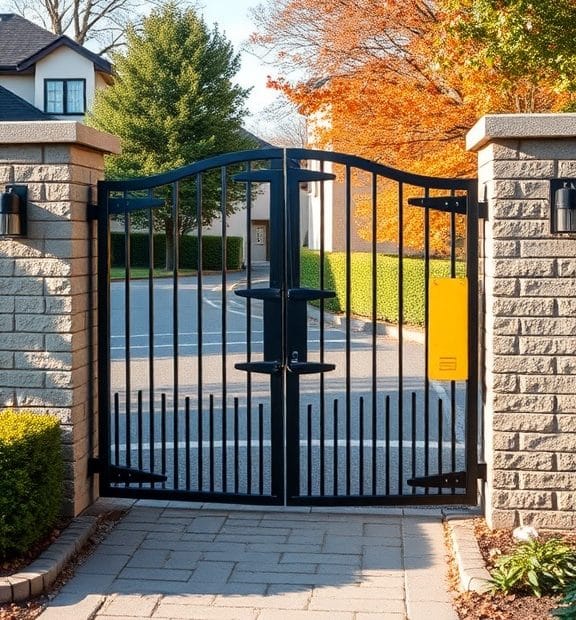
Understanding the Requirements for Automatic Gate Installation Permits
When you decide to install an automatic gate, understanding the necessary permits is crucial. These permits ensure your project complies with local regulations, enhances safety, and avoids any legal issues down the line. Here’s what you need to consider when you’re preparing for this installation.
First, each location has different requirements regarding automatic gate installation permits. Local laws can vary widely based on your city, county, or state. It can be beneficial to check with your local building department or town hall to gather the specific information you need. This will help ensure a smoother process and prevent any misunderstandings. Here are key aspects to consider:
- Local Codes and Regulations: Many municipalities have specific laws governing how gates must be installed. This might include required distances from property lines, visibility standards, or limitations on gate height and type. By consulting these local codes early, you can avoid costly adjustments later.
- Neighborhood Associations: If you live in a community governed by a homeowner’s association (HOA), additional rules might apply. These rules can dictate not only aesthetics but also functionality. It’s wise to check whether your planned gate complies with any HOA guidelines.
- Safety Standards: Automatic gates must adhere to safety standards to prevent accidents. This may involve installing certain safety features like safety edges or photoelectric sensors. Installing the proper safety measures is not just about compliance; it’s also about protecting yourself, your family, and visitors.
- Utilities and Property Lines: Before excavation begins, it’s important to confirm where underground utilities are located. This prevents costly damages during installation and ensures you’re not infringing on easements or neighboring properties.
Once you understand the local requirements, obtaining the right permits will be your next step. Here’s how to navigate that process effectively:
- Contact Local Authorities: Reach out to your local building department or zoning office. They can provide details on the type of permits you may need. In some areas, a zoning permit, building permit, and electrical permit might be necessary.
- Complete the Application: Fill out the permit application as completely as possible. Inaccuracies or missing information can delay the approval process. Be prepared to provide details like the gate’s specifications, a site plan, and photographs of your property.
- Submit Your Application: Depending on your locality, you may need to submit your application online, in person, or via mail. Ensure you include any necessary documentation, such as engineered drawings or site plans.
- Follow Up: After submitting your application, stay in contact with the permitting authority. They may have additional questions or requirements that could affect your timeline.
It’s also wise to keep records of all permits and communications regarding your automatic gate installation. Having everything organized will help if there are any disputes or questions in the future.
When you receive your permits, thoroughly review them to ensure all details are correct. If any discrepancies appear, address them immediately to avoid issues during the inspection phase. After installation, you may need to schedule an inspection to verify the work has been done according to code.
An important consideration is that some regions might also require a final inspection before you can use the gate. Being aware of this step can save you from future headaches. If the installation fails to meet standards, you may be required to make additional changes.
Always hire a professional who understands the permit process. Working with experienced installers can provide peace of mind, as they are familiar with local laws and can often handle the permit applications on your behalf. This saves you time and ensures that everything is compliant.
By taking these steps, you are setting yourself up for a successful automatic gate installation. Ensuring you are informed and compliant not only brings peace of mind but also protects your investment in the long run.
Common Misconceptions About Automatic Gate Installation and Permits
When considering automatic gate installation, many homeowners and businesses have misconceptions that can lead to problems down the road. Understanding the facts around permits and installation can save you time, money, and frustration. Here are some common misconceptions that you should be aware of.
Permits Are Not Always Required
One prevalent belief is that installing an automatic gate does not require any permits. This is often far from the truth. Most local governments require permits for gate installations to ensure safety and compliance with zoning laws. The specifics can vary widely depending on your location, so it’s essential to check with your local building department. Failure to obtain the necessary permits can result in fines and complications when moving forward with any future property improvements.
Automatic Gates Are Only for Large Properties
Some people think automatic gates are only suitable for expansive estates or commercial properties. In reality, these gates are available for all sizes of properties. Homeowners in residential areas can also benefit from the added security and convenience that an automatic gate provides. Smaller properties can accommodate more compact gate designs that enhance curb appeal while offering safety.
Installation is a Simple DIY Project
Another common misconception is that installing an automatic gate is a straightforward DIY project. While it might seem easy on the surface, there are several factors you need to consider. Professional installation is recommended because experts understand the complexities involved, including electrical wiring, gate mechanisms, and local codes. Attempting to install a gate without the proper expertise can lead to functional issues or safety hazards.
All Gates Are the Same
Many believe that automatic gates come in one standard style or function. However, there are various types of automatic gates, such as sliding, swinging, and bi-fold. Each type has different requirements and can be optimized for your specific needs. Therefore, it’s essential to consult with installation professionals who can help you choose the right style for your property.
Permits Don’t Cover Safety Standards
Some people think that obtaining a permit is enough and that safety standards are not enforced. In truth, when you apply for a permit, local authorities often review safety regulations and compliance measures tailored to automatic gates. These regulations ensure the gate operates correctly and protects both you and your guests. It’s crucial to adhere to these to avoid accidents.
Automatic Gates Are Too Expensive
One common belief that deters many from installing an automatic gate is the perception that they are prohibitively expensive. While advanced systems can be costly, many budget-friendly options are available. Considering the security and convenience these gates offer, the investment may pay off over time. Additionally, with various financing options and the potential increase in property value, automatic gates can be more affordable than you think.
You Don’t Need to Maintain Them
People often believe that automatic gates require no maintenance once installed. However, like any other mechanical system, they need regular upkeep. Maintenance can include lubricating moving parts, checking the power supply, and inspecting the gate for wear and tear. Regular maintenance is essential to keep your gate functioning properly and prolong its lifespan.
Emergency Access is Complicated
There’s a misconception that if there’s an emergency, automatic gates can pose a real problem. In reality, most modern automatic gate systems are equipped with features that allow for quick access in emergencies. These may include battery backups or manual release options that ensure first responders can reach your property quickly when needed.
Residential and Commercial Permits are Identical
Many individuals believe that the permit process is the same for both residential and commercial automatic gates. The truth is that they often differ significantly in terms of regulations, guidelines, and approval processes. Commercial installations usually require more extensive permissions and inspections compared to residential ones due to their scale and impact on public safety.
Understanding these misconceptions is vital for anyone considering the installation of an automatic gate. By informing yourself about the requirements and benefits of automatic gate installation and permits, you can make a more educated decision that suits your needs and enhances your property’s safety and appeal.
Conclusion
Navigating the landscape of automatic gate installation permits can seem daunting, but understanding the requirements and dispelling common misconceptions can make the process much simpler. First and foremost, ensuring you’re aware of your local regulations is crucial. Each area may have specific rules regarding gate size, safety measures, and installation techniques. Familiarizing yourself with these requirements not only helps you comply with local laws but also enhances the safety and functionality of your installation.
It’s equally important to address the misconceptions that often cloud the permitting process. Many individuals believe that permits are an unnecessary hurdle or that they can skip the paperwork if the gate is for personal use. However, these assumptions can lead to legal issues and unexpected fines down the road. Trying to bypass the permit process might save you time initially, but it could cause more headaches in the future. Instead, embracing the essential steps will aid in smooth installation while safeguarding your property.
Whether you’re considering an automatic gate for added security or convenience, taking the time to understand what’s involved can save you time, money, and stress. Consult with local authorities or professionals who can guide you through the maze of regulations and ensure your installation process is as seamless as possible. By prioritizing transparency and proactivity, you can enjoy the benefits of your new automatic gate without the worry of legal complications hanging over your head.