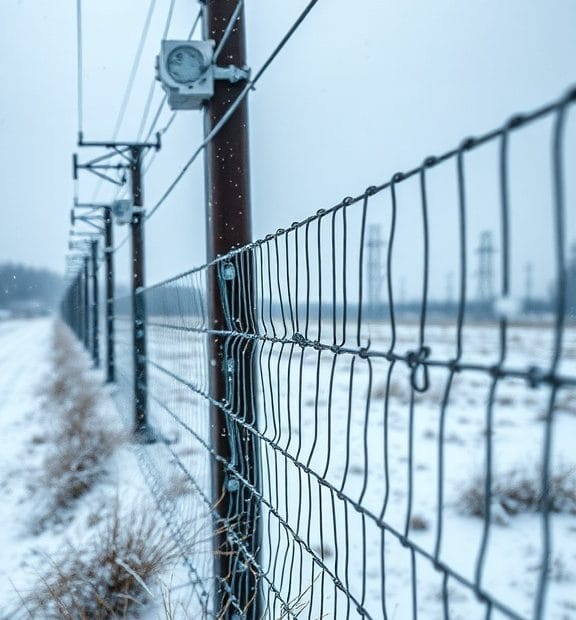
Impact of Extreme Weather Conditions on Electric Fence Performance
Electric fences are widely used for various purposes, ranging from agricultural needs to wildlife control. Understanding how these barriers perform under different climatic conditions, especially extreme weather, is essential for effective usage. Your electric fence’s reliability can vary significantly based on the environmental conditions it faces. Here’s a closer look at how extreme weather conditions affect electric fence performance.
Effects of Heavy Rain and Flooding
Heavy rainfall can have a substantial impact on the efficacy of electric fences. The moisture can create a conductive path between the wires and the ground, leading to reduced voltage and lower effectiveness. This phenomenon causes:
- Short Circuits: Water pooling around the fence can lead to short circuits, preventing the electrical charge from reaching its intended range.
- Increased Ground Moisture: Wet soil can absorb more electrical current, further diminishing the power felt by an intruder.
- Maintenance Needs: After heavy rain events, it is crucial to check and maintain your fence. This involves ensuring the wires are dry and properly insulated.
Impact of Extreme Temperatures
Extreme temperatures can either be excessively hot or extremely cold, both of which can alter the performance of electric fences. Here’s how each condition affects functionality:
Hot Weather
In high temperature situations, electric fences may experience:
- Material Expansion: Metal components can expand in heat, potentially leading to wire sagging, which can affect the current flow.
- Increased Insulation Degradation: High temperatures may speed up the degradation of insulation materials, making the fence more vulnerable to shorts.
Cold Weather
Conversely, in freezing temperatures, electric fences can suffer from:
- Wire Contraction: Cold conditions can lead to wire contraction, which may add tension and potentially breakage.
- Ice Accumulation: Ice can weigh down branches that may fall onto the fence, disrupting the flow of electricity.
Wind and Storm Conditions
High winds and storms present unique challenges for electric fences. Strong wind can potentially damage the structure, causing posts to lean or wires to break. Here are some considerations:
- Post Stability: Ensure that your posts are anchored deeply to withstand strong gusts.
- Good Quality Insulation: This will help maintain the electric current despite the turbulent conditions.
Snow and Ice Effects
Snow and ice can heavily burden an electric fence, especially if it accumulates around the wires. The weight can:
- Break Wires: Ice accumulation can lead to wire snapping or pulling loose from insulators.
- Conduct Electricity: Wet, heavy snow can also create a conductive bridge, stealing electrical charge intended for intrusion deterrent.
Maintenance Tips for Extreme Conditions
To ensure your electric fence operates effectively, especially during extreme weather conditions, consider these maintenance tips:
- Regular Inspections: Examine your fence frequently to identify any wear or damage post-bad weather.
- Clear Vegetation: Make sure no plants or debris are touching the wires, as this can reduce performance.
- Check Voltage Levels: A dedicated voltage tester can help you monitor the fence’s output, confirming whether it’s performing correctly.
Electric fence performance can greatly diminish under extreme weather conditions. By staying aware of the challenges posed by heavy rain, temperature fluctuations, high winds, and snow, you can take proactive steps to ensure your electric fence remains effective. Remember, regular maintenance and monitoring are your best defenses against performance issues, allowing you to secure your property regardless of any weather challenges you might face.
Best Practices for Maintaining Electric Fences in Harsh Weather
Maintaining electric fences, especially in harsh weather, is essential to ensure their effectiveness and longevity. Whether it’s heavy rain, biting cold, or fierce winds, understanding how to care for your electric fence during extreme conditions can make a significant difference. Here are some strategies to keep your fence functioning properly no matter what Mother Nature throws your way.
Regular Inspections
One of the best practices for maintaining electric fences in severe weather is to schedule regular inspections. This should be done before the onset of extreme weather, as well as afterwards. Look for:
- Damaged or frayed wires
- Corrosion on metal connections
- Loose or broken insulators
- Signs of ground erosion near the fence line
Addressing these issues early can prevent bigger problems down the line. A quick inspection can save time and money by keeping your fence in top-notch condition.
Clear Debris Around the Fence
Another vital step in maintaining your electric fence is to keep the area around it free from debris. Fallen branches, leaves, and snow can create barriers that impede the fence’s effectiveness. During winter, especially, snow and ice can come into contact with the wires, leading to short circuits. Here’s how to handle this:
- Regularly clear snow from wires to prevent ice build-up.
- Remove branches and other debris that might come in contact with the electric wires.
This can help the fence maintain a strong charge and ensure it protects the perimeter effectively.
Ensure Proper Grounding
Grounding is critical for the performance of all electric fences, particularly in extreme weather. During storms, lightning can strike, leading to grounding issues. To ensure proper grounding:
- Use ground rods made from copper or galvanized metal and ensure they are deeply driven into the earth.
- Check that grounding connections are tight and corrosion-free.
Performing these actions will help provide safe and effective grounding, ensuring the fence can deliver a consistent electric pulse.
Power Supply Management
Weather impacts power delivery, making it essential to monitor your electric fence’s power supply. Stormy weather can cause power outages or fluctuations that might affect your fence. To keep it operational:
- Ensure that the fence energizer is properly protected from water.
- Consider using a backup battery or generator to keep the energizer running during power outages.
Monitoring your power supply can enhance the reliability of the fence during extreme weather events.
Choose Durable Materials
Investing in high-quality materials for your electric fence can significantly reduce the need for maintenance during harsh weather. When selecting wires, insulators, and posts, opt for materials that are resistant to UV rays, rust, and corrosion.
Consider the following materials:
- High-tensile wire for increased strength and durability.
- Polymer insulators that can withstand extreme temperatures.
- Heavy-duty posts that can endure wind and not easily bend or break.
Choosing the right materials ensures your fence remains sturdy and effective even when subjected to tough weather conditions.
Adjusting Voltage Settings
In cold weather, the vegetation surrounding the fence can become wet, which might cause the electric pulse to decrease. If you notice that the fence’s effectiveness weakens in severe conditions, consider adjusting the voltage settings:
- Increase the voltage when wet conditions are prevalent.
- Regularly test the voltage output to ensure it meets safety standards.
Keeping the voltage settings appropriate ensures that your electric fence remains a formidable barrier.
Adopting these practices can help you maintain your electric fence effectively, even under challenging weather conditions. Remember, proactive maintenance not only preserves the integrity of your fence but also contributes to the safety and security of your property.
Conclusion
Understanding the impact of extreme weather conditions on electric fence performance is crucial for any property owner relying on these systems for security and livestock management. Harsh elements like heavy rain, snow, high winds, and extreme temperatures can significantly affect how well an electric fence functions. These conditions can lead to reduced voltage output, increased vegetation growth that short-circuits the fence, and additional wear and tear on the components.
By implementing best practices for maintaining electric fences in challenging climates, you can enhance their efficiency and longevity. Regular inspections are essential for identifying potential issues before they escalate. Clearing away debris, ensuring proper grounding, and regularly testing voltage levels can help keep your fence operating effectively. Additionally, investing in quality materials that are designed for durability in extreme conditions can make a substantial difference.
Adopting these proactive maintenance measures not only protects your investment but also ensures that your electric fence remains a reliable barrier against intruders and wandering livestock. By staying vigilant and adjusting your care routine to accommodate the weather’s challenges, you can maintain high electric fence performance year-round. Your attention to the specific demands of your environment will pay off in the form of a secure and functional fencing solution, bringing peace of mind regardless of Mother Nature’s temperament.